2024/06/10
1.ให้ความรู้แก่ผู้เข้าชมเกี่ยวกับชีวิตสัตว์ทะเลตามชนิดและสายพันธุ์ต่างๆ รวมทั้งให้ความรู้เกี่ยวกับการทำประมง
2.ปฏิบัติงานทดลอง ค้นคว้า วิจัย เกี่ยวกับการดำรงชีวิตของสัตว์ทะเล
3.เป็นสถานที่พักผ่อนหย่อนใจ และส่งเสริมการท่องเที่ยว
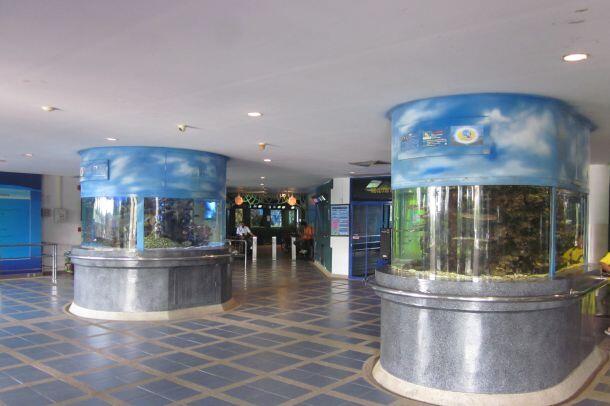
โดยจัดแสดงพันธุ์สัตว์น้ำให้เลือกชมอย่างมากมายหลากหลายชนิด พร้อมด้วยแหล่งข้อมูลทางทะเลที่มีให้ได้ศึกษาค้นคว้า สามารถเข้าชมเป็นหมู่คณะได้ เหมาะสำหรับการทัศนศึกษาโดยเฉพาะนักเรียน นักศึกษาและผู้สนใจ การจัดแสดงภายในสถานแสดงพันธุ์สัตว์น้ำระยอง แบ่งออกเป็น 3 ส่วน คือ
1. ส่วนจัดแสดงพันธุ์สัตว์ทะเลมีชีวิต
1.1 บ่อแสดงระบบนิเวศน้ำตื้น (touch pool) จัดแสดงสัตว์น้ำในระบบนิเวศที่อยู่ห่างจากชายฝั่ง
ไม่เกิน 200 เมตร เช่น ดาวส้มแดง ดาวหมอนปักเข็ม ปลิงส้ม ปลิงหนาม เป็นต้น
ไม่เกิน 200 เมตร เช่น ดาวส้มแดง ดาวหมอนปักเข็ม ปลิงส้ม ปลิงหนาม เป็นต้น
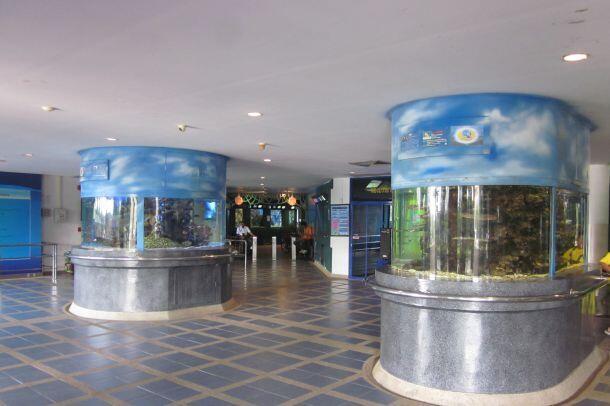
1.2 ตู้ปลาทะเล จำนวน 43 ตู้ แบ่งย่อยออกเป็น 3 ส่วน คือ
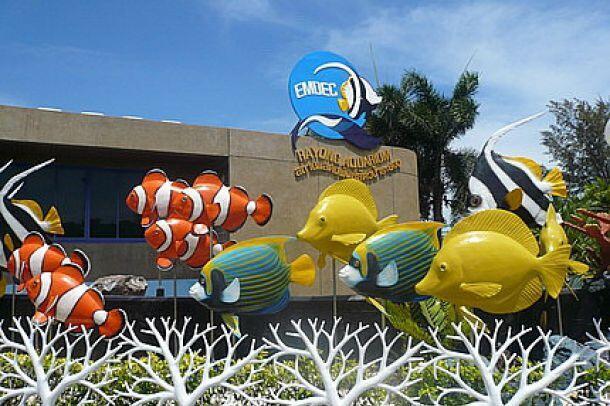
1.2.1 สัตว์น้ำที่อาศัยในแนวปะการัง จัดแสดงสัตว์น้ำที่มีสีสันสวยงามในแนวปะการัง เช่น ปลาการ์ตูน ปลาผีเสื้อ ปลานกแก้ว ปลานกขุนทอง ปลาสลิดหิน ปลาสลิดทะเล ปลาสินสมุทร ปลาขี้ตังเบ็ด ปลาไหลมอเรย์ ม้าน้ำ และกุ้งมังกร เป็นต้น
1.2.2 สัตว์น้ำเศรษฐกิจ จัดแสดงสัตว์น้ำที่มีความสำคัญทางเศรษฐกิจ และใช้เป็นอาหาร รวมทั้งสัตว์น้ำที่กรมประมงเพาะพันธุ์ได้ เช่น ปลากะรังดอกดำ ปลากะรังดอกแดง ปลากะรังเหลืองจุดฟ้า ปลากะรังหน้างอน ปลานวลจันทร์ทะเล ปูม้า ปูทะเล กั้งกระดาน กั้งตั๊กแตน และหอยหวาน เป็นต้น
1.2.3 สัตว์ทะเลมีพิษหรือสัตว์ทะเลที่เป็นอันตราย เพื่อให้ประชาชนได้รับทราบและระวังถึงพิษภัยของสัตว์ทะเล ได้แก่ สัตว์ทะเลที่เป็นพิษจากการรับประทาน เช่น ปลาปักเป้า แมงดาถ้วย และสัตว์ทะเลที่เป็นพิษจากการสัมผัส เช่น เม่นทะเล ปลาสิงโต ปลากะรังหัวโขน ปลาอุบ ปลากะเบนจุดฟ้า และหอยเต้าปูน เป็นต้น
1.3 บ่อขนาดใหญ่ จำนวน 4 บ่อ ประกอบด้วย
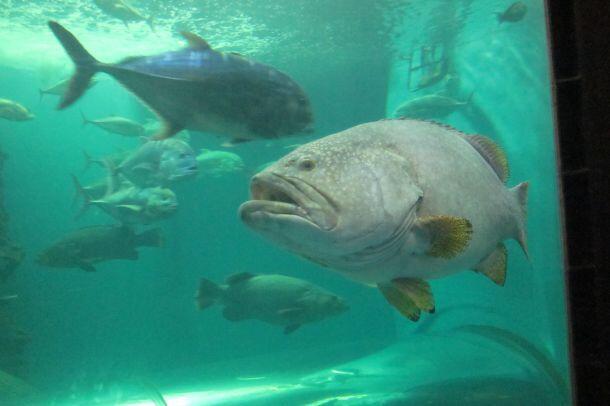
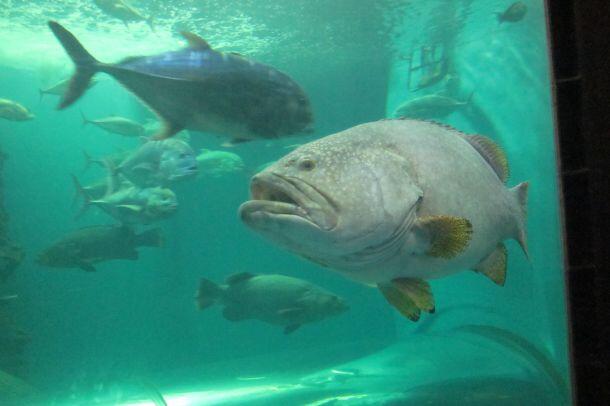
1.3.1 บ่อปลากลางแจ้งขนาด 5,400 ตัน จัดแสดงระบบนิเวศใต้ท้องทะเล มีปลาทะเลขนาดใหญ่ ได้แก่ ปลาหมอทะเล ที่มีขนาดน้ำหนักมากกว่า 100 กิโลกรัม ปลากระเบน ปลาโฉมงาม ปลาโมงตาโต ปลาฉลามหูดำ ปลากะพงและปลากะรังชนิดต่างๆ
1.3.2 บ่ออุโมงค์ ขนาด 400 ตัน มีอุโมงค์รอดผ่านยาว 10 เมตร สัมผัสชีวิตใต้ทะเลอย่างใกล้ชิด ชมพันธุ์ปลาทะเลต่างๆ ได้แก่ ปลากะเบนนก ปลากะรังหลากหลายชนิด ปลาโมงตาโต ปลาหูช้าง ปลากะพงแดง ปลาขี้ตังเบ็ด ปลาสลิดหิน ปลานกแก้วสีเพลิง และปลาพยาบาล เป็นต้น
1.3.3 บ่อเต่าทะเล ขนาด 280 ตัน จัดแสดงพันธุ์เต่าทะเล ได้แก่ เต่ากระ และเต่าตนุ พันธุ์ปลาทะเลขนาดเล็ก ได้แก่ ปลากระบอก ปลาสลิดหิน ปลากะพงเหลืองขมิ้น และปลาสลิดทะเล เป็นต้น
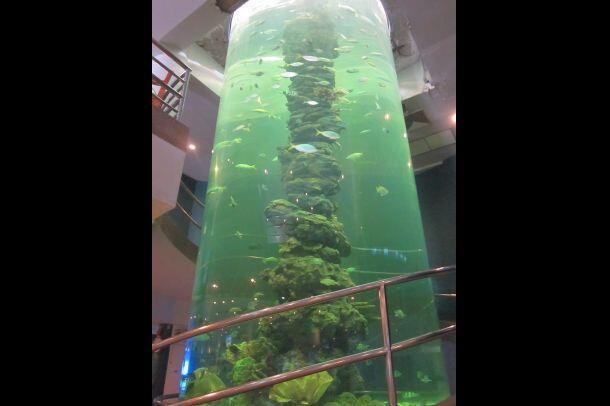
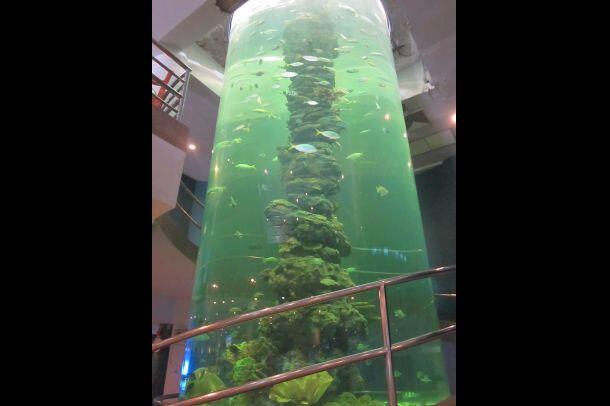
1.3.4 บ่อทรงกระบอก ขนาด 40 ตัน จัดแสดงพันธุ์ปลาผิวน้ำ ได้แก่ ปลาทู ปลาลัง ปลาสีขน ปลาสีกุน ปลาสลิดหินทะเลแถบ ปลาสลิดหินทะเลจุดเหลือง ปลาตะกรับ ปลาข้างเหลือง เป็นต้น
เปิดทำการทุกวันพุธ - ศุกร์ เวลา 10:00 - 16:00 น. / เสาร์ - อาทิตย์และนักขัตฤทธิ์ เวลา 10:00 - 17:00 น.
ปิดวันจันทร์และอังคาร ตั๋วเข้าชมสำหรับผู้ใหญ่ราคา 30 บาท เด็กราคา 10 บาท
https://maps.app.goo.gl/aKqnp7kSmzcacg668
Tags :