2020/11/05
NCDs ย่อมาจาก Non-Communicable Diseases คือ โรคกลุ่มที่ไม่ติดต่อ เป็นโรคที่ไม่ได้เกิดจากเชื้อโรค ไม่ติดต่อแม้มีการสัมผัส คลุกคลี หรือมีการสัมผัสกับสารคัดหลั่งต่างๆ โรคกลุ่ม NCDs เป็นโรคที่เกี่ยวกับนิสัยหรือพฤติกรรมการดำเนินชีวิต การกิน การนอน การพักผ่อน การออกกำลังกาย และการทำงานต่างๆ ซึ่งโรคกลุ่มนี้จะค่อยๆสะสมอาการ ค่อยๆเกิด ค่อยทวีความรุนแรง และเมื่อมีอาการของโรคแล้ว จะเกิดการเรื้อรังของโรคตามมาด้วย ถ้าไม่ได้รับการรักษาที่ถูกต้องและทันเวลา จะส่งผลกระทบอย่างมากต่อการดำเนินชีวิตของผู้ป่วยและคนรอบข้าง และพบว่าผู้ป่วยจำนวนมากเสียชีวิตด้วยโรคกลุ่มนี้ ได้แก่ โรคเบาหวาน โรคความดันโลหิตสูง โรคหลอดเลือดหัวใจ โรคหลอดเลือดสมอง โรคไตเรื้อรัง โรคไขมันในเลือดสูง โรคมะเร็ง โรคทางพันธุกรรม โรคตับแข็ง และโรคสมองเสื่อม (อัลไซเมอร์) เป็นต้น
โรคกลุ่ม NCDs บางครั้งเรียกว่า โรคที่เราสร้างขึ้นมาเอง เนื่องจากเกิดจากการใช้ชีวิตที่ไม่ถูกต้อง เช่น การไม่ออกกำลังกาย การรับประทานอาหารรสจัดเกินไป เช่น เค็มจัด หวานจัด มันจัด เป็นต้น รับประทานอาหารไขมันสูง การสะสมความเครียด การรับสารพิษอย่างสม่ำเสมอ เช่นการดื่มสุราและการสูบบุหรี่ กินอาหารปิ้งย่างบ่อยเกินไป เป็นต้น
6 โรคในกลุ่มโรค NCDs ที่มีอัตราผู้เสียชีวิตสูงสุด คือ โรคเบาหวาน โรคหลอดเลือดสมองและหัวใจ โรคถุงลมโป่งพอง โรคมะเร็ง โรคความดันโลหิตสูง และโรคอ้วนลงพุง เกิดจาก 6 ปัจจัยเสี่ยง คือ เหล้า บุหรี่ อาหาร (หวาน-มัน-เค็มจัด) การออกกำลังกายไม่เพียงพอ ความเครียด และกรรมพันธุ์ สามารถป้องกันได้โดยปรับเปลี่ยนพฤติกรรมการดำเนินชีวิตเสียใหม่ เช่น การออกกำลังกายอย่างน้อย 30 นาที/ครั้ง 5 ครั้ง/สัปดาห์ งดดื่มเหล้า ไม่สูบบุหรี่ หลีกเลี่ยงอาหารรสหวาน มัน และเค็มจัด หลีกเลี่ยงอาหารปิ้งย่าง ไม่รับประทานอาหารหรือเนื้อสัตว์แบบสุกๆ ดิบๆ รับประทานผักและผลไม้มากๆ พักผ่อนให้เพียงพอ ไม่นอนดึกเกินไป ไม่เครียด ไม่ซื้อยากินเองโดยไม่ปรึกษาแพทย์หรือเภสัชกร เป็นต้น (ที่มา: http://www.thaibreastcancer.com)
6 โรคในกลุ่มโรค NCDs ที่มีอัตราผู้เสียชีวิตสูงสุด คือ โรคเบาหวาน โรคหลอดเลือดสมองและหัวใจ โรคถุงลมโป่งพอง โรคมะเร็ง โรคความดันโลหิตสูง และโรคอ้วนลงพุง เกิดจาก 6 ปัจจัยเสี่ยง คือ เหล้า บุหรี่ อาหาร (หวาน-มัน-เค็มจัด) การออกกำลังกายไม่เพียงพอ ความเครียด และกรรมพันธุ์ สามารถป้องกันได้โดยปรับเปลี่ยนพฤติกรรมการดำเนินชีวิตเสียใหม่ เช่น การออกกำลังกายอย่างน้อย 30 นาที/ครั้ง 5 ครั้ง/สัปดาห์ งดดื่มเหล้า ไม่สูบบุหรี่ หลีกเลี่ยงอาหารรสหวาน มัน และเค็มจัด หลีกเลี่ยงอาหารปิ้งย่าง ไม่รับประทานอาหารหรือเนื้อสัตว์แบบสุกๆ ดิบๆ รับประทานผักและผลไม้มากๆ พักผ่อนให้เพียงพอ ไม่นอนดึกเกินไป ไม่เครียด ไม่ซื้อยากินเองโดยไม่ปรึกษาแพทย์หรือเภสัชกร เป็นต้น (ที่มา: http://www.thaibreastcancer.com)
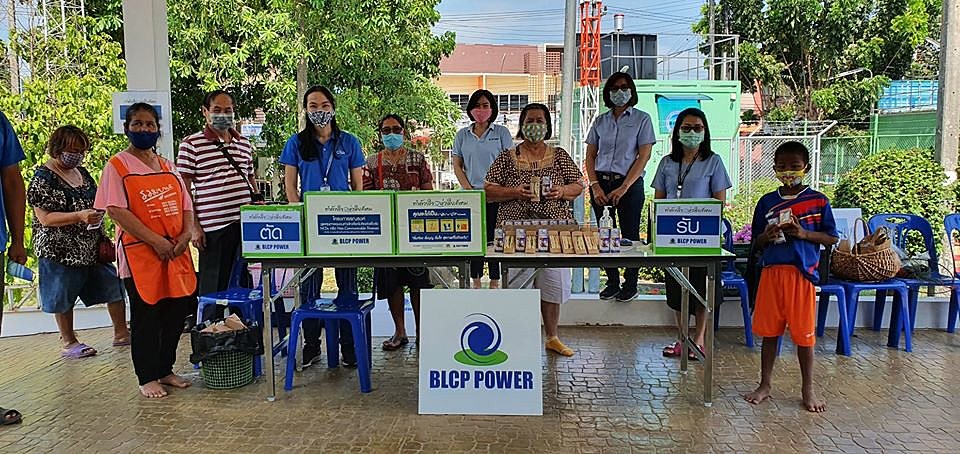
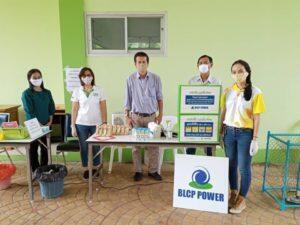
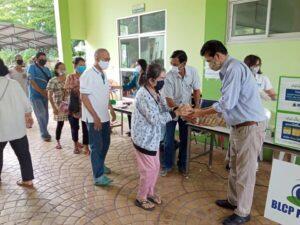
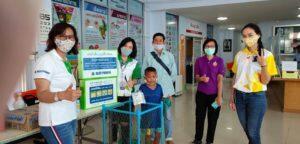
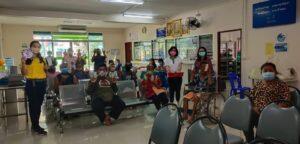
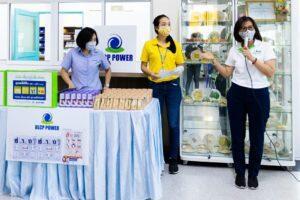
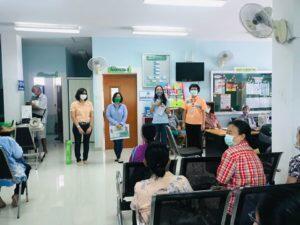
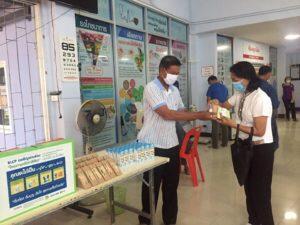
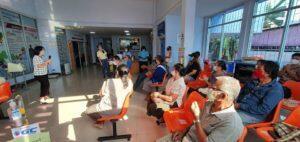
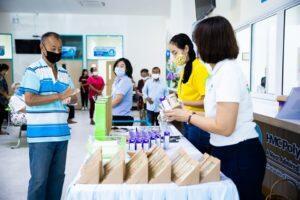
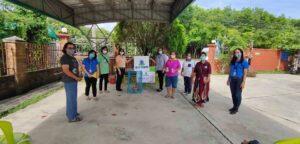
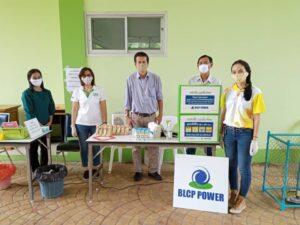
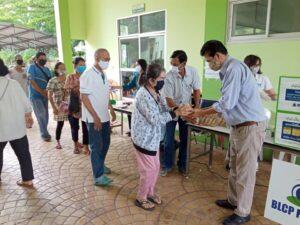
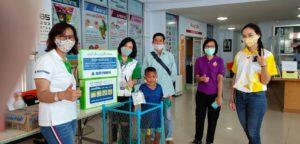
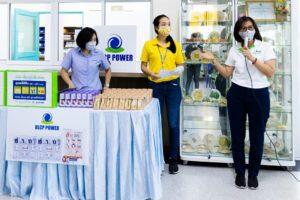
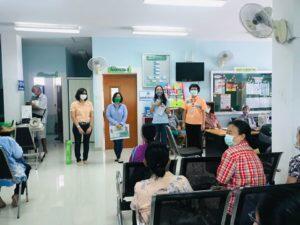
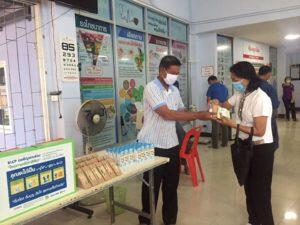
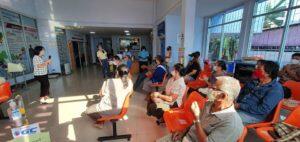
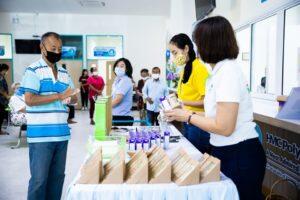
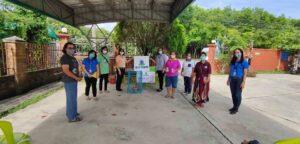
โรงไฟฟ้าบีแอลซีพี (BLCP) ให้ความสำคัญและส่งเสริมให้พนักงานและชุมชนให้ความสำคัญด้านการใช้ชีวิตและการสุขภาพที่ดีอย่างต่อเนื่อง โดยร่วมมือกับศูนย์บริการสาธารณสุขทั้งหมด 6 แห่ง ได้แก่ ศูนย์บริการสาธารณสุขตากวน ศูนย์บริการสาธารณสุขเนินพยอม ศูนย์บริการสาธารณสุขเกาะกก ศูนย์บริการสาธารณสุขโขดหิน ศูนย์บริการสาธารณสุขห้วยโป่ง ศูนย์บริการสาธารณสุขมาบข่า จัดทำโครงการ “อิ่มท้อง อิ่มบุญ อิ่มใจ ไปกับ BLCP” สนับสนุน รณรงค์ และดูแลสุขภาพชุมชนให้ห่างไกลโรคไม่ติอต่อเรื้อรัง (NCDs) ซึ่งหนึ่งในหลายๆ โครงการด้านสุขภาพนั้น คือ การว่าจ้างชุมชนให้จัดเตรียมอาหารว่างที่เหมาะกับผู้ป่วยโรคเบาหวานและโรคความดันโลหิตสูงที่มารับบริการที่ศูนย์บริการสาธารณสุขเป็นจำนวน 1,200 คนต่อเดือน โดยเริ่มดำเนินโครงการฯ ตั้งแต่เดือนเมษายน และจะดำเนินการอย่างต่อเนื่องจนถึงเดือนธันวาคม 2563 เดือนพฤษภาคมที่ผ่านมา BLCP ได้นำนมถั่วเหลือง ข้าวไรซ์เบอร์รี่น้ำตาลน้อย และแซนด์วิชเพื่อสุขภาพจากชุมชนเนินพยอมไปแจกจ่ายแก่ผู้ป่วย ซึ่งโครงการดังกล่าว สามารถสร้างรายได้ต่อเนื่องให้กับชุมชนที่จัดเตรียมอาหารว่าง รวมเป็นเงิน 315,000 บาท
นายยุทธนา เจริญวงศ์ กรรมการผู้จัดการ บริษัท บีแอลซีพี เพาเวอร์ จำกัด กล่าวว่า จากการลงพื้นที่พบปะ และพูดคุยกับชุมชนมอย่างต่อเนื่อง BLCP พบว่ากลุ่มผู้ป่วย NCDs โดยเฉพาะผู้ป่วยโรคความดันโลหิตสูง และเบาหวานส่วนใหญ่เป็นผู้สูงอายุที่ต้องมีคนดูแลในเรื่องการรับประทานอาหาร การประกอบอาหารให้เหมาะสมกับผู้ป่วย
ดังนั้น BLCP นอกจากจะจัดเตรียมอาหารว่างที่เป็นประโยชน์ต่อสุขภาพของผู้ป่วย NCDs แล้ว ยังให้ความรู้ความเข้าใจเกี่ยวกับการดูแลตนเองและการบริโภคอาหารที่เหมาะสม เพื่อช่วยผู้ป่วย NCDs สามารถลดภาวะแทรกซ้อน ลดการพิการ ลดการตาย ลดภาระค่าใช้จ่ายทั้งระดับบุคคลและครอบครัว ให้ก้าวสู่วิถีชีวิตพอเพียง สุขภาพที่เพียงพอภายใต้สังคมที่อยู่ร่วมกันอย่างมีความสุขและยั่งยืน
ดังนั้น BLCP นอกจากจะจัดเตรียมอาหารว่างที่เป็นประโยชน์ต่อสุขภาพของผู้ป่วย NCDs แล้ว ยังให้ความรู้ความเข้าใจเกี่ยวกับการดูแลตนเองและการบริโภคอาหารที่เหมาะสม เพื่อช่วยผู้ป่วย NCDs สามารถลดภาวะแทรกซ้อน ลดการพิการ ลดการตาย ลดภาระค่าใช้จ่ายทั้งระดับบุคคลและครอบครัว ให้ก้าวสู่วิถีชีวิตพอเพียง สุขภาพที่เพียงพอภายใต้สังคมที่อยู่ร่วมกันอย่างมีความสุขและยั่งยืน
BLCP ร่วมสร้างสังคมให้น่าอยู่ เคียงคู่ชุมชนอย่างยั่งยืน


Tags :